Physical Address
304 North Cardinal St.
Dorchester Center, MA 02124
Physical Address
304 North Cardinal St.
Dorchester Center, MA 02124

Ever wondered how much do F1 sim racers make? We break down the earnings, prize pools, and salary potential for top virtual drivers in the current scene.
Did you know that the most elite virtual drivers have earned nearly half a million dollars in prize winnings? Sebastian Job, a legendary name in the industry, has banked a staggering $463,558, proving that competitive gaming is a serious career. This massive figure shows that *virtual speed* has shifted from a simple bedroom hobby into a high-stakes professional sport.
Many fans often wonder, how much do F1 sim racers make? While newcomers might start with just a few thousand dollars annually, the most elite professional sim racers often reach six-figure incomes. Success in this racing field depends heavily on raw talent, consistent performance, and high-profile sponsorship deals.
The industry now offers multiple ways to generate money beyond basic tournament prizes. Drivers earn significant sums through official team contracts and social media content creation. As the global racing community grows, the potential for digital stars to build wealth through their specialized setups continues to expand.
Top talents like Frederik Rasmussen have already secured close to $400,000 through their racing skills. These athletes demonstrate the high financial ceiling of the modern sim racing market. By focusing on speed and marketability, skilled drivers turn their passion into a thriving and profitable racing lifestyle.
An athlete’s income in the virtual world isn’t just about speed. It involves a unique combination of several important variables. To become a professional sim athlete, you do not need to pass a formal exam or earn a specific certificate.
You simply need to generate income through activities related to virtual racing. Your skill and performance level serve as the main foundation for your career. Elite drivers who win championships in high-level competitions access much bigger prize pools than casual participants.
The specific platform you choose also dictates your financial potential. Games like iRacing or F1 Esports offer more robust professional ecosystems than basic arcade titles. Consistency on the track helps a sim racer land better team contracts and long-term deals.
Beyond the track, your personal brand matters immensely for a racer. A sim racer who builds a large following can earn money via streaming and social media. Success as a professional sim pilot requires a mix of skill, branding, and a genuine love for sim racing.
| Earning Factor | Impact Level | Primary Benefit |
|---|---|---|
| Performance Skill | Maximum | High prize pool access |
| Game Platform | High | Sponsorship opportunities |
| Personal Brand | High | Streaming and ad revenue |
| Consistency | Medium | Stable team contracts |
To understand how these athletes earn, we must look at the five core pillars of their income. Successful professional sim athletes rarely rely on just one paycheck to cover their costs. Instead, they combine multiple sources to build a stable career in racing.
This diverse financial ecosystem allows drivers to focus on their performance while growing their personal influence. By balancing competition with content, they ensure they have money coming in regardless of their race results.
Competition is the heartbeat of this industry and offers significant rewards. Major events like the 2022 F1 Esports tournament offered a massive prize pool of $750,000 for top competitors. Even back in 2019, iRacing provided a $300,000 prize pot for its championship finishers.
Winning this money requires incredible focus and thousands of hours of practice. Most tournaments distribute these funds among the top ten or twenty drivers in the standings.
Joining an elite team is a major milestone for most sim racers. These organizations offer official contracts that provide monthly salaries or retainers similar to traditional sports. For established drivers, these monthly payments often range from $3,000 to $5,000.
Securing a spot on a professional team also grants access to better training resources. These contracts provide the financial security needed to focus entirely on sim performance.
Many professional sim drivers sign lucrative sponsorship deals with technology companies. These sponsorships can pay hundreds or even thousands of dollars for a single high-profile race. A brand might choose to support a driver who uses their specific steering wheels or pedals.
Big sponsorships often come from energy drinks or gaming hardware manufacturers. These sponsors value the visibility provided during live broadcasts to a global audience. Working with a well-known brand also helps a driver build their professional reputation.
The Twitch streaming platform has changed the game for digital athletes everywhere. By broadcasting their practice sessions and races, they generate consistent money through viewer engagement. They earn through ad placements and royalties across different platforms like YouTube and Twitch.
This streaming approach allows fans to see the personality behind the digital wheel. It turns every practice session into a potential source of revenue for the driver.
Beyond advertising, streaming creates a direct financial link to the fan community. Dedicated fans often send donations to show their appreciation for an entertaining race or helpful tip. These donations can add up significantly during long broadcast sessions.
Monthly subscriptions provide a steady flow of revenue that helps cover expensive hardware upgrades. These loyal racing fans are the backbone of a successful sim career today.
Breaking down the financial side of virtual motorsports reveals a wide spectrum of potential earnings for dedicated competitors. The income for professional sim racers varies greatly depending on their reputation and skill. While some make a few thousand dollars, others reach impressive heights in the industry.
Most sim racers spend years perfecting their craft before seeing a significant return on their time. Success in this field requires more than just speed; it demands a strategic approach to personal branding. This section explores what you can expect to take home at different career stages.
At this level, sim racers are just beginning to monetize their talent. These racers usually earn a few thousand dollars per year through small tournament prizes. They haven’t secured major contracts yet, but they are no longer just amateurs.
They often start by gathering initial money from streaming platforms like Twitch. Modest sponsorships from equipment brands might also provide a small boost. This stage is all about building a foundation for future growth in the sim community.
Mid-tier professional sim competitors often earn between $20,000 and $60,000 annually. They build a steady income by combining team salaries with regular competition winnings. Consistency is the absolute key to their financial success in the field.
These individuals use their personal brands to attract fans on various racing platforms. They often balance high-level competition with consistent content creation. This mix helps them secure multiple sponsorship deals and a reliable income stream over time.
The top professional sim racers can see earnings exceed $100,000 annually. Their money comes from premium monthly retainers, often between $3,000 and $5,000. Winning major tournaments adds significant bonuses to their base pay and total money pool.
High-stakes racing and large streaming audiences ensure these elite sim athletes thrive. They often represent major automotive brands or established esports organizations. At this peak, racing skill and fame go hand-in-hand for the very best in the sim world.
| Career Stage | Annual Salary Range | Primary Revenue Sources |
|---|---|---|
| Entry-Level | $1,000 – $10,000 | Small Prizes, Initial Streaming |
| Mid-Tier | $20,000 – $60,000 | Team Contracts, Sponsors |
| Elite | $100,000+ | Large Salaries, Major Brand Deals |
Professional sim racing thrives on high-stakes events that offer impressive financial rewards to the fastest drivers. While many games host various competitions today, the most serious money stays within realistic simulators. These platforms provide the competitive depth needed for esports to grow.
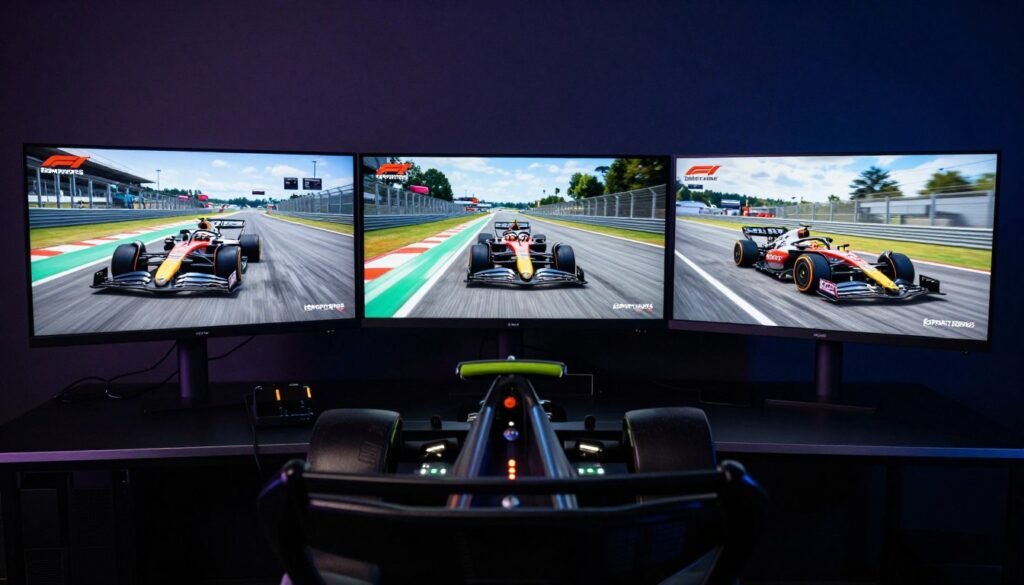
The official F1 Esports Series is the pinnacle of virtual open-wheel racing. In 2022, this tournament boasted a massive prize pool of $750,000. The prize pools are distributed among the official teams and drivers based on their final season standings.
Competing in this series offers incredible prestige and global visibility. It connects players directly with the real Formula 1 world. This exposure often leads to lucrative sponsorships and even opportunities to test real race cars.
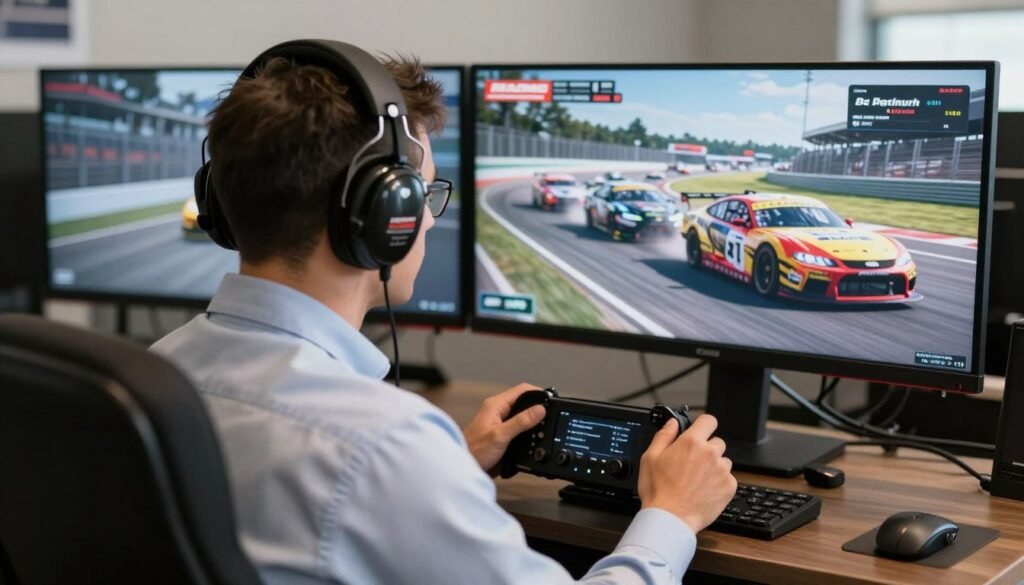
The iRacing racing simulator is the gold standard for elite sim events. The eNASCAR series alone offers prize pools totaling $500,000 to its top competitors. A structured ladder system allows players to rise from amateur ranks to the professional level where the prize money is substantial.
The platform’s realistic physics and infrastructure make it a favorite for professional events. Many drivers prefer this sim because it rewards pure technical skill. It provides a stable environment for long-term racing careers.
Other titles offer lucrative pools for talented drivers across different competitions. The Assetto Corsa V10-R League features a $161,662 fund, while the ForzaRC IS Finals reached $250,000. Various rFactor2 sim challenges also provide steady income for esports professionals.
Over 60 different racing games have hosted money-paying tournaments in the last decade. These diverse events ensure there are multiple pathways to success in the sim world. High intensity and extreme skill are required to win in these competitive competitions.
The global leaderboard of competitive driving showcases athletes who have turned a hobby into a high-paying profession. These racers have reached the pinnacle of the world through talent and grit. According to recent statistics, the earnings of a top sim racer can reach incredible heights.
Sebastian Job currently leads the pack with nearly half a million dollars in documented prize money. Other professional sim athletes like Frederik Rasmussen and Joshua K Rogers have also cleared the $300,000 mark. These individuals prove that consistency is the key to reaching the absolute top of the field.
| Driver Name | Documented Prize Money |
|---|---|
| Sebastian Job | $463,558 |
| Frederik Rasmussen | $395,709 |
| Joshua K Rogers | $348,012 |
| Jarno Opmeer | $323,761 |
| Kevin Siggy | $229,043 |
Jarno Opmeer, a household name in the sim community, has used his multiple F1 Esports titles to secure over $323,000. This elite racer demonstrates that success in virtual racing requires a clear, long-term vision. The life of a sim racer at this level is intense and highly competitive.
“To be the best, you have to be willing to spend more time in the seat than anyone else.”
It is important to remember that these figures reflect only tournament rewards. A professional sim athlete often makes much more through team salaries and brand deals. The actual total compensation for these stars is significantly higher than what public prize pools suggest.
These racers typically dedicate thousands of hours to practice and career development over several years. Every racer on this world stage started from zero before putting in thousands of hours of sim practice. This dedication allows them to win at the highest level of virtual racing across various countries.
Diversifying income is essential for sim racers who want to turn their passion into a sustainable, full-time career. Relying only on tournament wins can be risky in the competitive racing world. By creating educational content, professionals build a much more stable financial foundation and grow their total revenue.
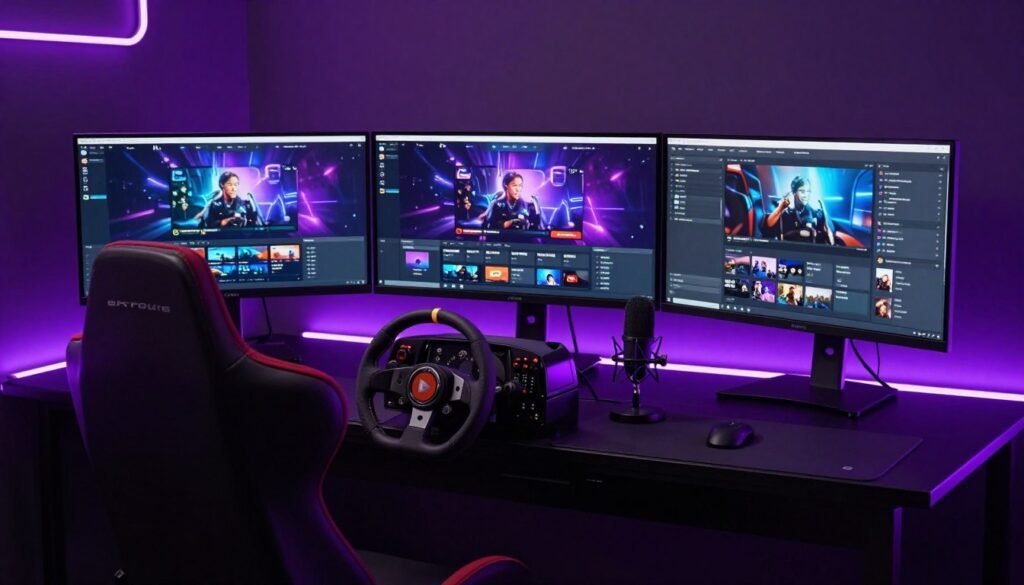
Building a YouTube gaming channel allows you to earn money through ads and high view counts. Racers often share racing highlights, tutorials, and hardware reviews to grow a steady audience. To start running ads on your video content, you must reach 1,000 subscribers and 4,000 watch hours.
Affiliate programs offer a great way to generate passive income while you sleep. You can earn money by linking to the sim gear you actually use in your video descriptions. While SimRacerZone pays a 3% commission, many hardware manufacturers offer about 1% for each sale made by your audience. Over time, these referrals from top manufacturers can add up to thousands of dollars.
Experienced drivers often sell their specific skills through personal coaching or digital content packs. You can offer one-on-one coaching sessions or sell sim car setups to the broader racing community. Sharing your secrets through professional coaching for sim software helps you reach a global audience. This specialized content allows you to maximize your time and increase your monthly revenue.
The transition from casual play to professional racing is a challenging path that demands immense focus and time. Becoming a professional sim athlete does not involve a standard job board or application process. You simply need to enjoy the heat of the track and be exceptionally good at what you do.
While a background in real motorsports can help, most experts agree that anyone can start from scratch. Building a career that provides sustainable income typically takes one to three years of consistent effort. You must prepare to invest thousands of hours into your virtual career development.
“Success is where preparation and opportunity meet.”
Mastering this skill requires you to spend thousands of hours behind the wheel to learn racing fundamentals. You must understand the complex physics of various platforms like iRacing or Assetto Corsa. Focus on track knowledge and perfecting your race craft during every session.
Raw speed is important, but you also need mental dedication to perform under pressure. Spend time learning how to create sim car setups that work for your driving style. Consistency and intelligence on the track will eventually separate you from the hobbyists.
A successful sim racer must be visible to potential sponsors and the wider community. This path involves streaming your races on Twitch and creating engaging content for YouTube. You should also network within sim groups to build your reputation.
Building a loyal audience often takes 12 to 18 months of daily content creation. This investment increases your marketability and creates multiple revenue streams before you even join a team. Your racing personality is often just as valuable as your lap times for long-term success.
Joining organized competitions is the best way to get noticed by elite esports teams. You should practice on specific sim software and master popular racing game titles. Over two to three years, your results in these competitions will define your professional sim future.
Consistent performance in community leagues opens doors to official qualifiers for major series. To become a top-tier sim racer, you must choose a specific path, such as F1 Esports or GT championships. Your dedication to the grind will eventually result in professional sim contract offers.
| Career Phase | Estimated Timeline | Primary Objective |
|---|---|---|
| Skill Mastery | 1 – 3 Years | Mastering physics and race craft |
| Content Creation | 12 – 18 Months | Building a Twitch or YouTube audience |
| League Progression | 2 – 3 Years | Winning qualifiers and joining teams |
Behind the digital steering wheel lies a demanding profession that requires more than just fast reflexes. Succeeding in the virtual cockpit means navigating a path filled with hidden difficulties. While the rewards are enticing, the everyday lifestyle of a sim racing professional involves significant sacrifices and discipline to keep a career going for many years. Life for sim racing pros is often harder than it looks to others.
Professional sim racing has no standard 9-5 routine. You often work according to your own hours unless a team requires specific training sessions. Most successful players spend 60 to 80 hours a week practicing, engaging in streams, and connecting with sponsors. It takes immense dedication to balance high-level events while building a loyal audience to secure your income over time.
The lack of a set schedule can be both liberating and exhausting. You must constantly practice to stay competitive while also managing the business side of your brand. Consistency is the only way to survive. If you stop producing content or miss a practice session, your performance and viewership can drop instantly. This constant pressure makes true relaxation difficult to find during the week.
The mental stamina required to stay at the top for twelve hours a day is often higher than the physical demand of the rig itself.
This industry offers no guarantees for a long-term career. Unlike traditional jobs, there is no salary safety net or retirement benefits. Your income can fluctuate based on race performance and how many others are watching your streams. Because elite teams might change rosters frequently, a racer must manage finances conservatively. Many competitive teams lack the long-term stability found in traditional sports organizations.
| Reality | Challenge | Management |
|---|---|---|
| Irregular Hours | High Burnout Risk | Scheduled Breaks |
| Performance Pressure | Income Instability | Diversified Revenue |
| Seated Position | Physical Strain | Ergonomic Gear |
Staying in a virtual seat for years can take a toll on the body. A racer often faces repetitive strain injuries in their wrists and arms. It is vital to maintain a healthy diet and exercise despite the long seated hours. The pressure from a team and the isolation of sim racing can also impact mental well-being. Finding a healthy balance is essential.
As the digital landscape evolves, the longevity of a professional sim racing career remains a vital topic for aspiring pros. Professional esports athletes often face a shorter competitive window than traditional office workers because reflexes can slow with age.

Planning for the future early allows drivers to leverage their digital expertise into a lasting profession. Most competitors reach their peak in their mid-twenties and must look for a secondary sim strategy.
Virtual success can lead to real-world opportunities with major automotive manufacturers. Jann Mardenborough famously won GT Academy and successfully drove for Nissan for several years. This path proves that virtual skills like race craft and track knowledge translate perfectly to the tarmac.
Many professional teams now look at virtual championships to find fresh talent for endurance racing. These organizations value the mental performance and setup understanding that top digital drivers possess.
“The line between virtual and reality is blurring, allowing a talented racer to prove their worth on any stage.”
If you do not jump into a physical cockpit, you can stream full-time to engage your fan base. Veteran drivers often find success in coaching to help the next generation of competitors improve their lap times. You might also join a team in a management role or work within the growing esports industry.
Using the expertise you gained over the years, you can build a stable future. Transitioning into technical roles or consultation ensures you stay involved in the sim racing world you love.
Turning a passion for high-speed digital competition into a career is more achievable now than ever. Professional sim racers often build a varied income that reaches six-figure totals. To earn money effectively, you must balance tournament wins with streaming and brand deals.
Achieving this success requires patience, as it often takes years to outshine others in the field. The sim racing industry is expanding quickly. This growth gives dedicated racers more ways to secure money through their talent.
Whether you stay in the virtual world or move to real racing, the opportunities in sim and sim racing environments are limitless. High-speed racing helps turn a sim racing hobby into a full-time job. With the right money management, your digital dreams can become a reality.