Physical Address
304 North Cardinal St.
Dorchester Center, MA 02124
Physical Address
304 North Cardinal St.
Dorchester Center, MA 02124

Curious if do sim racers get paid? Our guide breaks down how professional virtual drivers earn money, sponsorships, and prize pools in the current scene.
Have you ever wondered if those long hours spent in your virtual cockpit could actually pay your monthly bills? Many enthusiasts ask, “do sim racers get paid” for their time on the track, and the answer is a resounding yes.
What started as a simple hobby has quickly transformed into a legitimate career path for many dedicated drivers. In the fast-paced world of esports, professional sim racers now earn real money through tournament winnings and major corporate sponsorships.
The modern sim racing industry offers multiple ways to monetize your passion. From live streaming on various platforms to providing coaching services, the opportunities in racing are expanding every day for skilled participants.
This guide explores how to turn a sim into a steady source of income. By utilizing sim racing software, you can find a clear roadmap for racing profit. Finally, mastering a sim allows you to join a growing elite financial landscape.
If you have ever dreamed of getting paid to race from your living room, the answer is a resounding yes. The esports industry has created many legitimate paths for talented racers to earn a real income. You can earn anything from a bit of extra money to a salary of over $100,000 per year.
To be a professional sim racer, you do not need to pass any special exams or get a license. If you earn any amount of money from your sim activities, you have officially reached professional status. This is a much easier way to start a career compared to traditional motorsports, which costs a fortune.
Most successful racers do not rely on just one source of cash to pay their bills. They often combine tournament winnings with brand deals and coaching fees to build a steady income. Success comes from proving your skill behind the wheel and being smart about your personal brand.
Every sim racer starts somewhere, and usually, that begins with a modest home setup. As you get faster, the professional sim world offers more rewards for your hard work. It is all about how well you perform in racing events and how you connect with your fans in the sim community.
Professional sim racing is about more than just speed; it is about building a brand that sponsors want to support.
| Income Type | Primary Source | Estimated Earnings |
|---|---|---|
| Competition | Tournament Prize Pools | $100 – $50,000+ |
| Content Creation | Twitch & YouTube Ads | $500 – $10,000+ /mo |
| Sponsorships | Hardware Brand Deals | $1,000 – $25,000+ |
| Team Salary | Professional Esports Contracts | $2,000 – $8,000+ /mo |
Building a sustainable career in the virtual racing world requires a mix of different financial channels and professional opportunities. Many people think winning one big race is enough, but top earners use a variety of paths to stay profitable. Diversifying your income is the best way to ensure long-term success in this competitive industry.
From winning big checks to helping others improve their lap times, the options are wider than ever. You can focus on your driving, your personality, or even your technical knowledge. Let’s look at the specific ways you can start bringing in revenue today.
Competitive sim racing competitions are the most direct way to earn money for your talent on the track. These events often bring together the fastest drivers in the world to battle for a spot on the podium. When you win at a high level, the financial rewards can be life-changing.
Major prize pools from established racing titles reward the absolute best drivers in the world. For example, the 2022 F1 Esports tournament featured a massive prize pool of $750,000. Meanwhile, the iRacing eNASCAR Series offers $500,000 to its top competitors.
Other games also offer high stakes, such as the Assetto Corsa V10-R League with over $160,000 in rewards. Forza Motorsport has also seen large payouts, with the ForzaRC Finals offering $250,000. These massive numbers show just how much growth the industry has seen recently.
You do not have to be a world champion to start winning cash rewards. Regional and community leagues offer smaller but more accessible prize pools ranging from $500 to $5,000. These are perfect for drivers who are still building their competitive resume and gaining experience.
As you gain more recognition, hardware manufacturers and other brands will begin to notice your skills. Sponsorships are a crucial revenue stream where companies pay you to represent their products. This often includes a mix of cash retainers and free high-end equipment.
Many sponsorships involve long-term deals with racing apparel companies or even real-world automotive brands. In exchange for your visibility, you provide product endorsements that reach a targeted audience. These sponsorships help cover the costs of your gear while adding to your monthly earnings.
Working with different sponsorships also builds your professional reputation in the industry. Brands look for racers who are not only fast but also professional and easy to work with. These relationships can lead to exclusive events and even bigger opportunities later on.

Exploring streaming on platforms like Twitch and YouTube is a highly accessible income source for many. Content creators earn revenue through multiple channels, including advertisement payouts and viewer subscriptions. Engaging personalities can quickly build a loyal following that supports their career directly.
Successful streaming also involves content like tutorials, race highlights, and live setup consultations. Viewers love to see the behind-the-scenes work that goes into a professional race weekend. This type of content can generate several thousand dollars monthly if you are consistent.
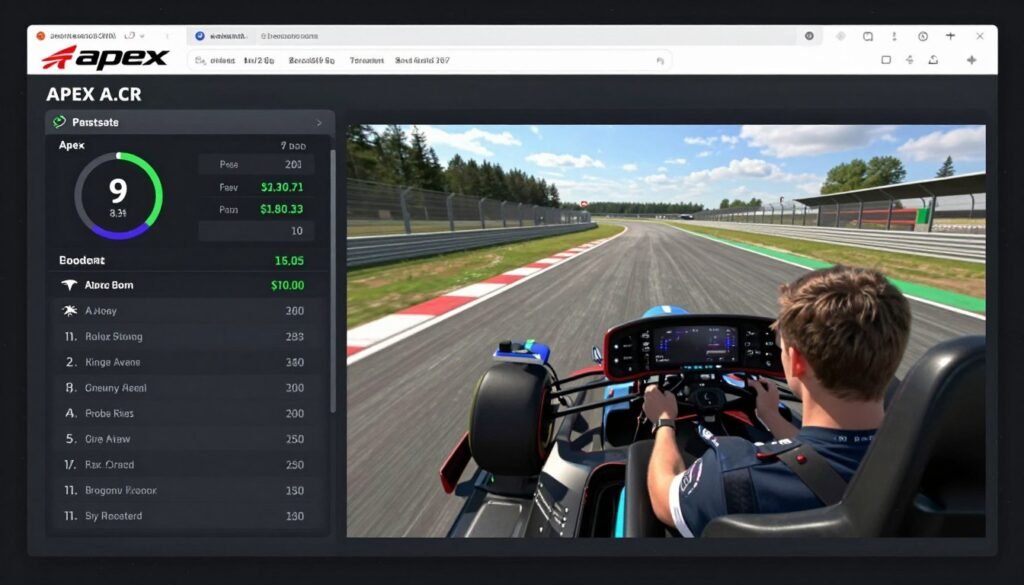
Experienced drivers often leverage their expertise by offering coaching to those who want to improve. These coaching services include one-on-one instruction, car setup optimization, and race strategy lessons. It is a great way to turn your years of practice into a steady hourly wage.
Most coaches charge between $25 and $100 per hour depending on their skill and reputation. Beginners are often happy to pay for someone to help them shave a few seconds off their lap times. This service provides immediate value and builds strong ties within the community.
Professional esports teams provide the most stable revenue source for elite virtual drivers. When you sign a contract, you usually receive a monthly salary that ranges from a few hundred to several thousand dollars. These teams also offer bonuses for race wins and top-tier performance.
You can earn passive income through affiliate marketing by recommending the gear you already use. Programs like SimRacerZone offer a 3% commission on all products purchased through your unique referral links. Hardware brands often provide their own affiliate programs with commissions around 1% per sale.
By creating content that reviews new wheels or pedals, you can drive sales and earn a cut of the profit. This racing niche is full of enthusiasts looking for the best equipment. It is a natural way to monetize your sim expertise without needing a large upfront investment.
Understanding the specific earnings of professional sim racers requires a look at different skill levels. While many start as a hobby, those at the top find it quite lucrative.
If you want to know how much do sim racers make, the answer depends largely on your dedication. Every sim racer has a unique path to profit.
At the elite level, drivers competing in global tournaments can see big earnings. These racers often receive monthly team retainers between $3,000 and $5,000 to keep them competitive.
When you add prize money, major sponsorships, and high-traffic streaming, the total can exceed $200,000. These racers often rival the pay of drivers in lower-tier real-world motorsport series.
A mid-level sim racer usually balances intense competition with active content creation. They often earn money from regional leagues and smaller brand deals.
By offering coaching services or using affiliate links, they build a stable income of up to $50,000. This group forms the backbone of the growing sim community.
Beginners typically start in community leagues while growing their online presence from scratch. In these early stages, racing might only bring in a few thousand dollars annually.
Most of these earnings come from small prize payouts and basic product promotions. It takes time and effort to move up the ladder to a professional sim status.
A professional sim career varies based on personal branding and consistent performance. For instance, a world champion might secure a six-figure contract with a major manufacturer.
Meanwhile, an intermediate racer might combine $15,000 in winnings with $20,000 from streaming. This creates a sustainable $35,000 annual income for many professional sim racers.
“The jump from a hobbyist to a professional requires more than just speed; it requires a business mindset.”
| Driver Tier | Annual Pay Range | Main Revenue Source |
|---|---|---|
| Elite Champion | $100,000 – $200,000+ | Team Salaries & Global Sim Sponsors |
| Intermediate | $20,000 – $50,000 | Streaming & Regional Racing Prizes |
| Rising Star | $1,000 – $10,000 | Community Cups & Affiliate Marketing |
To help you transition from a casual gamer to a paid professional, we have outlined the essential steps to monetize your laps. Consistency is the secret ingredient for growth and long-term success. If you follow your passion and stay dedicated, you can turn your love for the sim into a real career.
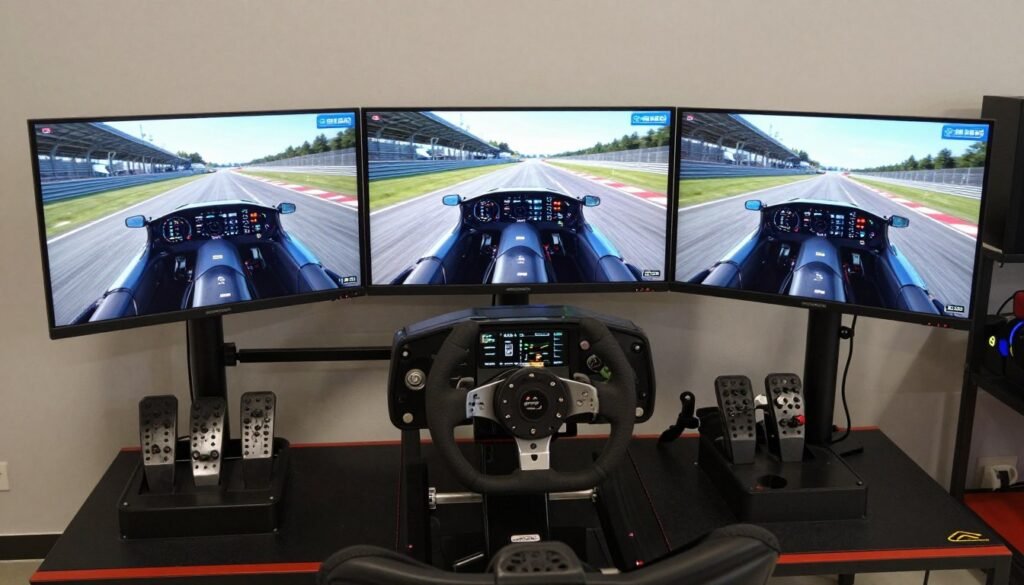
Focus on platforms like iRacing or Assetto Corsa Competizione to build authentic racecraft. These titles are the gold standard for high-level racing due to their physics engines.
You should spend 15 to 20 hours of hard practice each week. This commitment develops the skills and muscle memory required to compete at the top.
Join an active community league to build your reputation. These smaller competitions offer the perfect space to learn without extreme pressure.
Once you are fast, enter qualifiers for major championships. Succeeding in these events is the best path to securing a professional team contract.
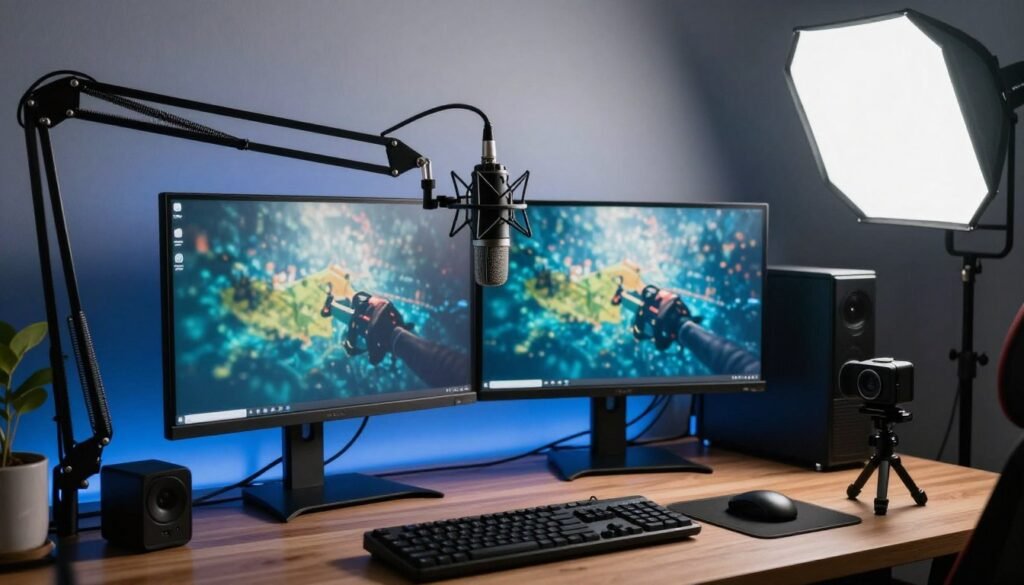
Launch a stream on Twitch to build a personal brand. You only need 50 followers to start earning through subscriptions as an Affiliate.
Focus on producing high-quality content like track guides or gear reviews. Growing a loyal audience makes it much easier to earn money through sponsorships.
Multiple income sources create financial stability. You can offer coaching to help newer drivers find more speed on the track.
This multi-pronged approach ensures you profit from sim racing even when competition results are lean. It turns your hobby into a resilient business.
Be active in Discord servers and forums to meet other drivers and managers. Networking within the community often leads to team tryouts and collaboration invites.
Show brands your racing results and your audience reach to prove your value. It takes time to land a big deal, but a solid sim resume will eventually pay off on your path to pro status.
Your earning potential as a driver isn’t just about speed; it’s a mix of several professional factors. While having raw talent is a great start, a successful career requires a strategic approach to how you present yourself. Let’s look at what separates the top earners from the casual hobbyists.
Your skills on the track are the foundation of your virtual income. Consistent podium finishes and championship victories generate prize money and attract big team contracts. A high performance level makes you a target for sponsors who want to see their logo on a winning car.
Having a large audience on platforms like Twitch or YouTube changes the financial game. High engagement rates mean your followers actually listen to your advice and watch your events. This influence allows you to charge more for brand deals and affiliate marketing.

Choosing the right sim to master is a critical strategic decision for your career. Specializing in a title like iRacing builds your reputation within a specific community quickly. This focused path helps you master physics faster than jumping between different games.
Building a sustainable income takes significant time and effort, usually one to three years. You must show up for every league racing event and stream on a set schedule to keep people interested. Your passion needs to translate into a daily routine that survives the ups and downs of competition.
A professional racer must be more than just fast behind the virtual wheel. You need a strong personal brand to communicate your value to potential partners. Finding a unique way to tell your story helps you stand out in the crowded sim world.
Every racing lap you complete adds to your professional experience. When you show genuine passion, fans and sponsors notice your dedication. High-level sim competition requires you to treat every mistake as a learning experience to improve your sim setup and strategy.
| Factor | Impact Level | Key Benefit |
|---|---|---|
| Skill & Performance | High | Prize money and team contracts |
| Audience Engagement | High | Sponsorships and ad revenue |
| Personal Branding | Medium | Professional image and marketability |
| Consistency | Essential | Long-term growth and stability |
Turning your passion for virtual driving into a job means investing in the right tools for the trade. While the costs are much lower than real-world motorsports, you still need a solid budget for your equipment. Most beginners start small and upgrade as they find ways to earn money in sim racing professionally.
Building a setup that helps you make money sim racing requires a smart and calculated budget. You should focus on reliability and performance to ensure you stay competitive during long events. High-quality gear improves your consistency and makes your sim career more sustainable over time.
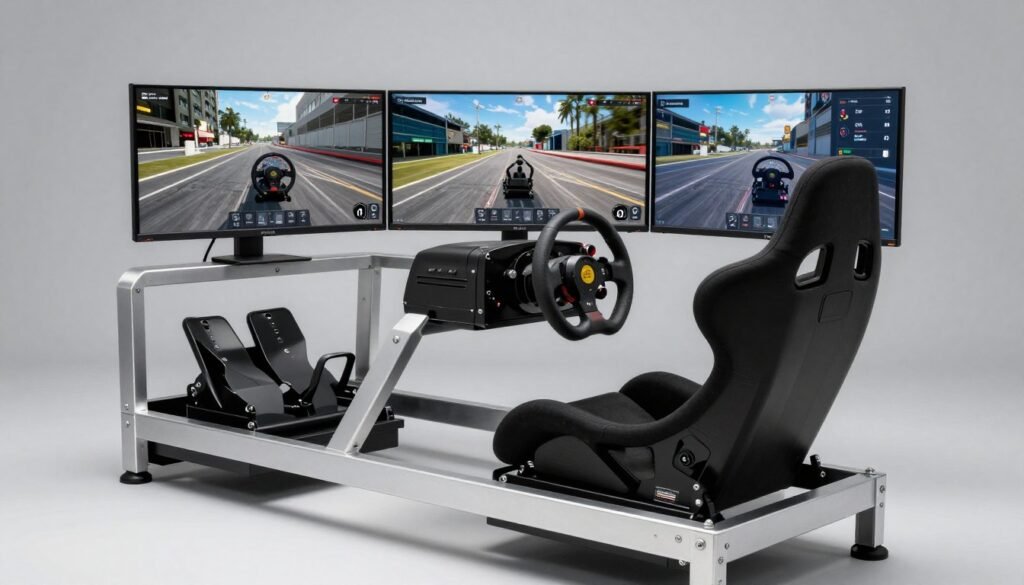
The core of your hardware includes a wheel, pedals, and a sturdy frame to hold them. Top manufacturers create racing gear that mimics the physical feel of a real performance car. Your choice of hardware will directly impact your ability to feel the car’s limit on the track.
These kits usually feature basic force feedback wheels that are perfect for learning. They offer enough equipment quality to help you understand car physics without a massive investment. You can easily upgrade individual parts later as your skills improve.
This tier offers significantly better precision and better materials like alcantara or leather. Many competitive players use this equipment to stay consistent during league races. It provides a great balance between professional feel and consumer pricing.
Top esports drivers rely on direct drive wheels and load cell pedals for maximum accuracy. Every professional team driver needs this level of sim feedback to compete at the highest level. This racing gear is designed for championship-winning performance and long-term durability.
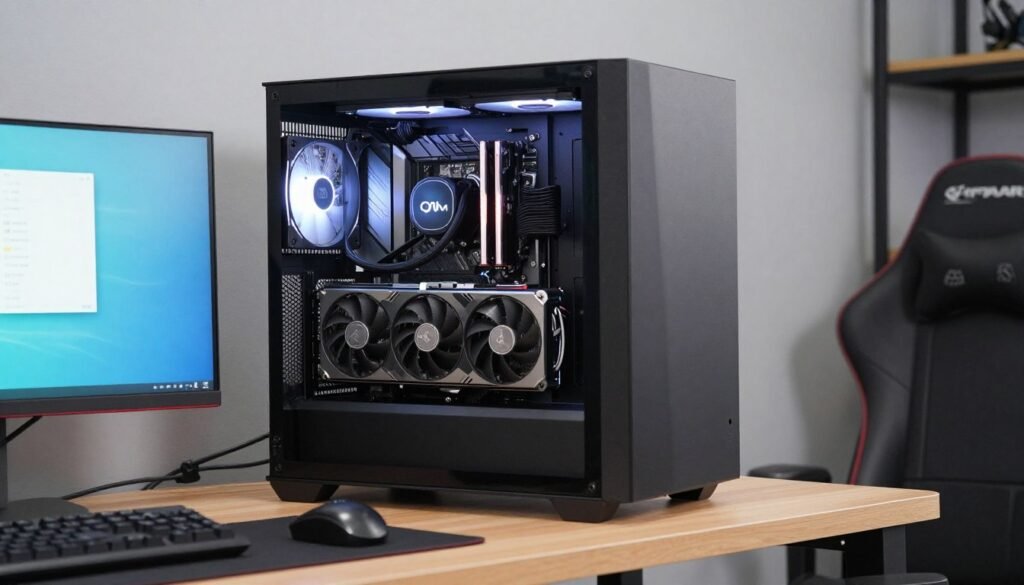
A powerful gaming PC for sim racing is vital for maintaining high frame rates and low latency. While consoles are cheaper, PCs offer better compatibility with a wider variety of racing titles. You should expect to spend between $1,000 and $3,000 for a equipment setup that handles modern simulations.

Creating high-quality content requires more than just a fast virtual car and a steady hand. You will need a professional streaming camera and microphone setup to engage with your viewers effectively. High production content values help you stand out and attract better sponsorship deals.
Software costs are often ongoing rather than a one-time purchase in the sim world. Major manufacturers often partner with racing platforms to offer licensed cars and tracks. Popular sim platforms may require monthly fees plus extra costs for specific racing content.
Once you start earning money sim racing, you can afford these premium sim subscriptions and digital upgrades. Reinvesting your early winnings into better gear creates a cycle of growth and success. This strategic approach ensures your equipment evolves alongside your professional racing career.
Starting a career in the virtual racing world requires a blend of speed and branding. Every sim racer starts somewhere, usually spending their first few years learning the ropes. It takes time to build a name that sponsors and teams finally trust.
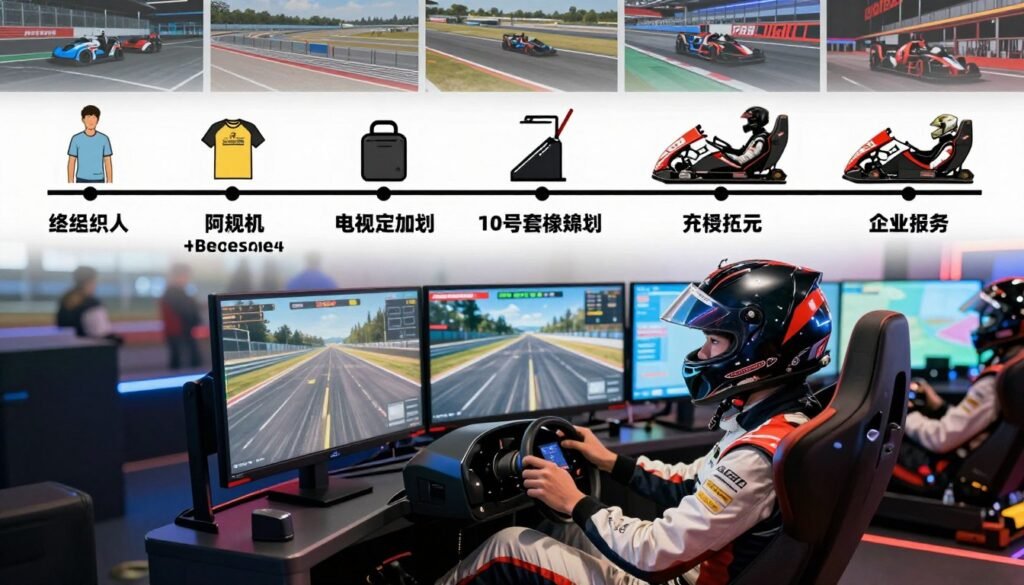
In your first two years, you focus on building a solid foundation. Most new racers earn minimal income, often ranging from $1,000 to $5,000 annually. This experience comes from small community leagues and basic content creation.
You should prioritize your driving skills and learn proper racecraft. Join a sim community to network and find your initial audience. At this stage, your growth is more important than the prize money.
Between two and five years of experience, you start to see a breakthrough. Dedicated drivers often earn between $10,000 and $50,000 per year. This income way involves combining league wins with your first real sponsorship deals.
Consistent performance helps you transform this hobby into a meaningful professional sim pursuit. You might start offering coaching services to newer players. Expanding your esports presence during this period is vital for long-term success.
After five years, established racers can reach professional sim status with high earnings. These drivers often take home $75,000 to $200,000 or more annually. They usually sign major racing team contracts and secure premium brand partnerships.
Elite champions treat their professional sim activities as a full-time business. They manage their personal brand and diverse income streams carefully. Longevity is key, as many driver peaks occur in their 20s and 30s.
Success in the virtual world can sometimes lead to a seat in a real car. Jann Mardenborough proved this by winning the GT Academy and driving for Nissan. He showed that racing excellence can open doors to actual motorsport careers.
This path allows a talented racer to bypass the high costs of traditional karting. If you perform at a high level, the sim can be your gateway to the track. It is a modern route for those with true passion and skill.
Professional sim racing serves as a viable path into real-life motorsport for the most dedicated athletes.
| Career Phase | Years of Experience | Potential Annual Income | Primary Focus |
|---|---|---|---|
| Beginner | 0 – 2 Years | $1,000 – $5,000 | Skill Development |
| Intermediate | 2 – 5 Years | $10,000 – $50,000 | Brand Building |
| Professional | 5+ Years | $75,000 – $200,000+ | Team Contracts |
Money sim racing is now a professional path. Every racer earns income through competitions and prize money. Experienced racers may also secure sponsors across various titles.
Whether you stream on platforms or join a team, your unique content matters. Using affiliate links and joining sim racing events turns your hobby into esports success within the community.