Physical Address
304 North Cardinal St.
Dorchester Center, MA 02124
Physical Address
304 North Cardinal St.
Dorchester Center, MA 02124

Thinking about starting a center? Is a sim racing business profitable? Read our expert guide to learn about revenue models, startup costs, and success tips.
Did you know the global esports market hit one billion dollars lately? Virtual tracks now lead the way. Modern simulation setups moved from homes to professional centers across the United States. Many owners now explore this model as the sport grows fast.
Opening one center requires high costs for hardware and software. However, the industry moves beyond simple rentals to create social fun. Successful owners focus on maximizing value from every visitor through unique experiences.
This guide explores real-world data and costs to help you navigate the motorsport market. We look at smart strategies and success stories from current centers. Whether you are an enthusiast or an investor, these insights provide one clear path forward.
Exploring the sim racing business landscape reveals a world where technology and entertainment collide for profit. Modern customers now seek realistic experiences that they cannot easily replicate at home. This shift has turned virtual tracks into high-traffic destinations for many entrepreneurs.
The sim racing industry has experienced exponential growth over the past five years. This surge was fueled by massive jumps in hardware technology and a global need for home entertainment during the pandemic. What was once a small group of dedicated enthusiasts is now a major segment of the broader racing industry.
In the United States, the demand for “experiential” entertainment is at an all-time high. Venues that combine social settings with high-tech competition are winning big. Business owners are finding success by offering high-speed racing thrills to people who want more than just a typical night out.
Most centers rely on a few core ways to make money. Pay-per-session rentals are the standard, but they often have thin margins. Many successful operators now add membership programs and corporate events to build steady income. Putting a sim rig in a bar or lounge can also attract a much wider audience than a standalone shop.
Running a center is not without its hurdles. High startup costs for gear and expensive software licenses can strain a new budget. Keeping equipment in top shape is a constant task in the sim racing industry.
Operators must move beyond the niche market to stay profitable. You need to attract casual visitors and corporate clients to thrive in this competitive industry. Understanding these barriers is the first step toward a long-term strategy.
| Business Model | Primary Audience | Revenue Potential |
|---|---|---|
| Pay-Per-Session Racing | Walk-in Tourists | Moderate |
| Sim Memberships | Competitive Drivers | Stable/High |
| Corporate Events | Business Teams | Very High |
| Leagues & Tournaments | Local Community | Moderate/High |
The profitability of a sim racing business relies on more than just high-end gear. While many centers cover basic costs, relying only on walk-in traffic often limits growth. You must boost the value of every customer visit to see real success.
Your financial potential depends heavily on your location and the level of service you provide. Small centers might focus on local enthusiasts, while larger venues attract corporate events. These high-value bookings often stabilize your monthly income.
Most well-managed centers take about 12 to 24 months to reach full profitability. Expanding into merchandise or snacks can also increase your daily racing intake. Consistent marketing helps you reach new audiences during the slower weekdays.
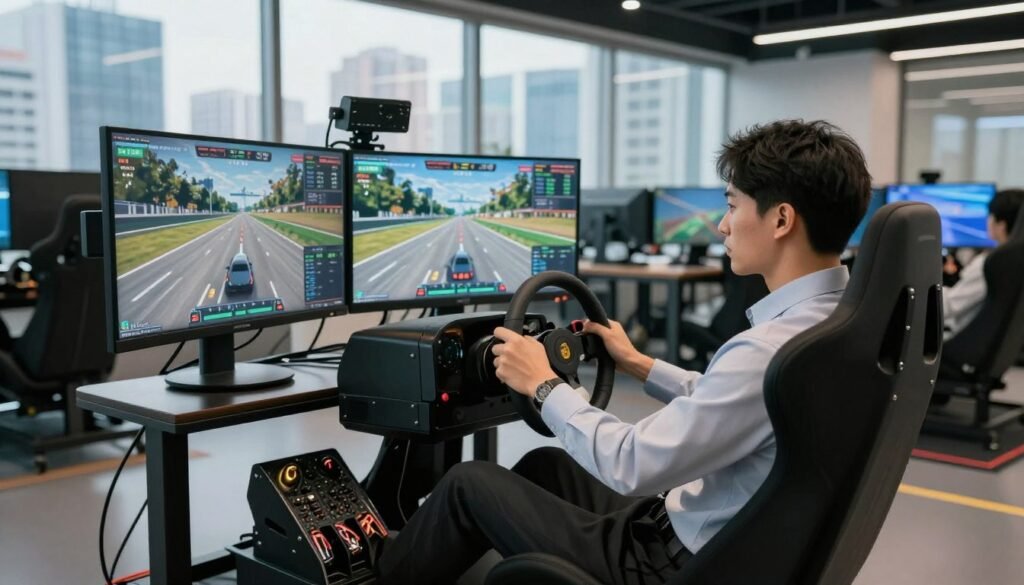
Traditional racing margins are notoriously tight due to high vehicle maintenance and fuel costs. However, a sim racing center enjoys much lower operational risks and no vehicle damage. You can offer repeatable experiences without the expensive wear and tear of real cars.
Typical margins in the entertainment sector stay healthy when you manage staffing and software licenses well. A smart sim owner tracks every expense to ensure the rigs pay for themselves quickly. This efficiency allows you to reinvest in better hardware for your drivers.
Several key factors dictate your bottom line, such as customer acquisition costs and retention rates. Happy customers who return frequently provide the most stable revenue stream. You should also track how often your sim rigs are actually in use during peak hours.
Moving toward premium experiences allows you to justify higher pricing for your services. Creating a community atmosphere keeps enthusiasts engaged for the long term. Strategic planning ensures that your center remains competitive in a growing market.
| Center Type | Main Focus | Expected Margin |
|---|---|---|
| Small Studio | Hourly Rentals | 15% – 20% |
| Mid-Size Center | Leagues & Parties | 25% – 30% |
| Entertainment Hub | Corporate & Events | 35% – 45% |
Generating consistent cash flow requires a clever blend of hourly rentals and specialized corporate packages. A healthy mix of multiple revenue streams keeps your business stable throughout the week. By balancing daily traffic with high-value special events, you can maximize your equipment usage.
Individual sessions serve as the heartbeat of your daily operations. This foundation provides a steady flow of income from walk-in customers and online reservations. Most centers find success by offering 30-minute or 60-minute blocks to keep the simulators busy.
Smart owners use dynamic pricing to boost their earnings. You should charge premium rates during Friday nights and weekends when demand is highest. Offering discounted off-peak rates during morning hours helps you fill seats that would otherwise sit empty.
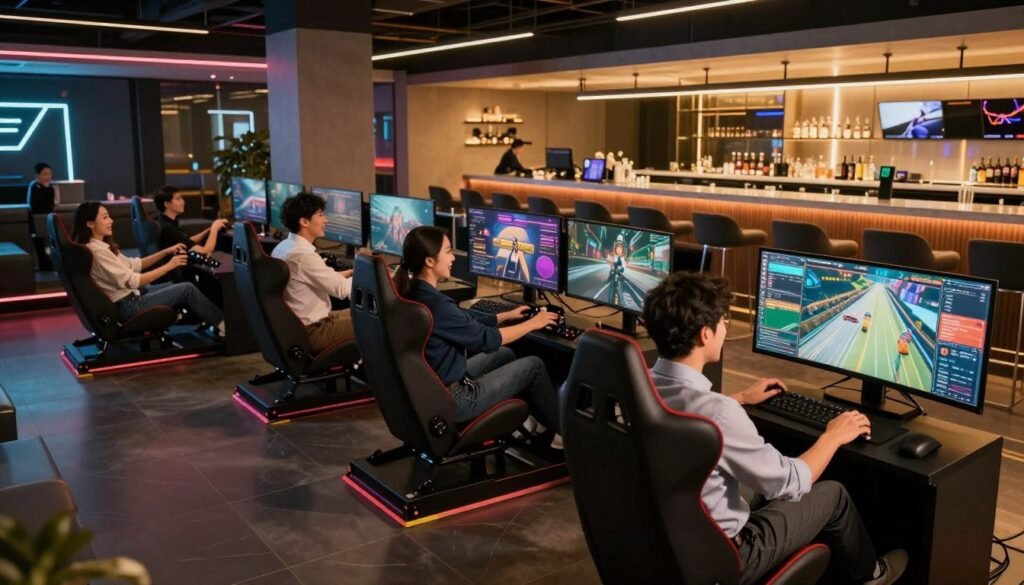
Companies are constantly searching for unique team building experiences that offer more than just a standard dinner. Sim racing is an ideal choice because it is safe, exciting, and encourages communication. High-end venues like F1 Arcade have proven that combining racing with catering creates a premium atmosphere.
These specialized team building sessions usually happen during weekday afternoons. This is a perfect way to generate profit during your slowest times. When a local business chooses to reward their team at your center, they often pay higher group rates for the exclusive experience.
Social gatherings like birthday parties and bachelor parties are massive events for any entertainment venue. You can charge significantly more per person for these groups than you would for casual customers. These bookings are typically made weeks in advance, allowing you to plan your staffing levels with confidence.
Building a loyal community is the best way to ensure long-term growth. Running a weekly competition or a seasonal league keeps drivers coming back to your facility. This creates revenue through entry fees and food sales while building your brand’s local reputation.
You can also partner with local brands to sponsor these tournaments. Strong partnerships lead to prize pools that attract higher-skilled drivers and more spectators. These competitive nights turn your center into a social hub for racing enthusiasts.
Smart business owners know that selling laps is just the beginning of a truly profitable sim racing venture. By looking beyond physical rentals, you can unlock higher profit margins and build a resilient brand. Diversifying your digital revenue helps your business thrive even during quiet hours at the shop.
Platforms like YouTube and Twitch allow you to monetize the action happening on your floor. You can earn through ad revenue and memberships by creating content that features your facility and exciting races.
Your shop is a perfect backdrop for content creators looking for professional rigs. Hosting a live stream of your local tournaments builds a global audience while the content itself generates a steady digital income.
Sharing the content you produce on social media also acts as a powerful advertisement. By creating content regularly, you attract new customers while earning from platform partnerships.
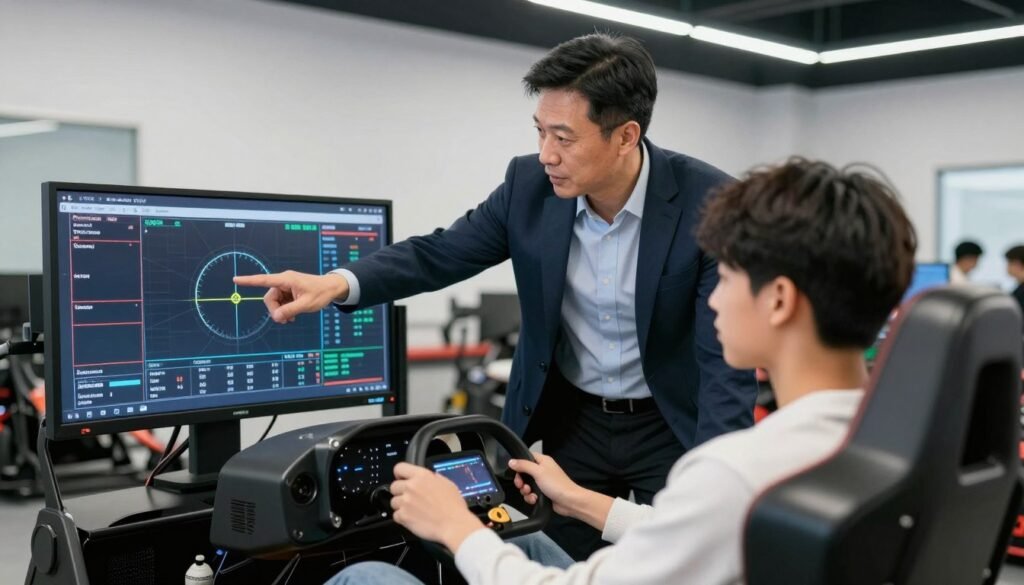
Many racers are willing to pay for expert advice to shave seconds off their lap times. Specialized sim racing coaching programs offer one-on-one instruction and setup optimization that justify premium pricing.
Using data tools makes these sessions personal and helps customers see real progress. This service turns casual players into dedicated students who value your professional expertise and return for regular training.
Your center acts as a showroom where customers test gear before they buy it. Through affiliate marketing, you earn a commission whenever a customer purchases a wheel or pedals via your referral links.
Partnering with major manufacturers creates a reliable passive income stream. This affiliate strategy adds value to the customer journey without requiring extra staff effort or inventory costs.
Using affiliate programs like SimRacerZone allows you to profit from the hardware recommendations your staff already makes. This smart marketing move boosts your bottom line effortlessly.
Hosting a competitive league is a fantastic way to ensure long-term engagement. You generate revenue through entry fees, local sponsorships, and merchandise sales during these weekly events.
Building a strong community keeps your simulator seats full and creates a sense of belonging for your guests. A loyal community turns your business into a social hub where people spend more time and money.
Before you can wave the checkered flag on your new venture, you must navigate the complex world of initial investments. Opening a sim racing business involves balancing high-tech gear with smart facility planning. It is a significant financial commitment that requires a clear roadmap for success.
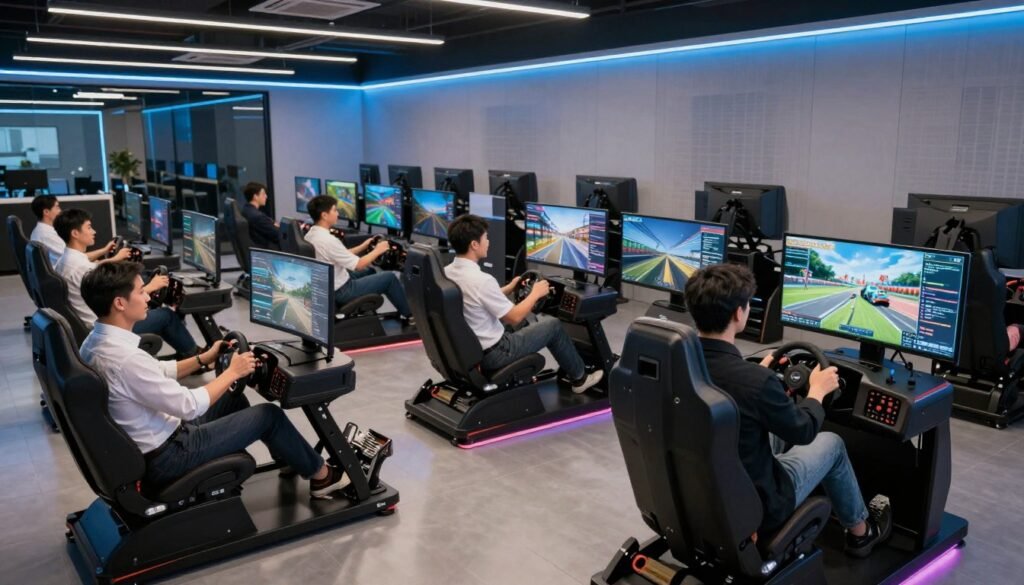
Professional setups often include motion platforms and high-quality VR headsets to create immersion. While mid-range equipment starts around $1,000 per station, professional-grade simulators cost significantly more. Investing in quality gear increases your pricing power and improves the overall customer experience.
Finding the right space is about more than just square footage for the rigs. You also need room for a reception desk, comfortable common areas, and specialized climate control. The heat generated by multiple racing computers can quickly warm up a small room.
Effective acoustics are also vital for a professional atmosphere. Proper insulation ensures that the roar of the engines doesn’t disturb neighbors or other customers. A well-designed space will keep drivers coming back for more sessions.
Many owners overlook the recurring costs of software licenses for popular titles like iRacing. These platforms often require monthly fees or commercial usage agreements to operate legally in a public venue. You should also budget for high-speed internet and regular sim hardware maintenance.
Ongoing expenses include rent, utilities, insurance, and staff salaries. Keeping your software updated and your rigs calibrated is essential for credibility. Marketing costs will also be a major part of your monthly budget in the beginning.
Building a sustainable income takes time and a lot of patience. Most centers reach initial profitability within 12 to 24 months of consistent operation. You must maintain adequate capital reserves to weather the early stages of the venture.
Success depends on your ability to manage cash flow and attract repeat visitors. You can research how much a racing simulator center to set realistic expectations. With the right equipment and a solid plan, your center can become a highly profitable destination.
Operational excellence is the secret sauce that separates struggling sim racing centers from those that dominate the market. By focusing on maximizing value from every customer interaction, owners can transform a quiet lounge into a bustling profit hub. These strategies ensure that your equipment earns money even during slow periods.
“The difference between a hobby and a business is the system you put behind the passion.”
Dynamic pricing helps you optimize revenue based on real-time demand. You can offer discounts during off-peak time to fill seats that would otherwise stay empty. Conversely, charging higher rates for busy weekend slots balances the workload and increases total earnings.
Subscription models also provide more stable income. Prepaid monthly passes incentivize regular use and create a predictable cash flow for the business. This approach keeps your simulators running and your revenue climbing throughout the week.
Multi-tiered memberships create recurring revenue while strengthening your brand. Offer perks like priority bookings or free coaching minutes to reward your most dedicated racers. These benefits make customers feel like part of an elite community.
Exclusive access to new tracks or hardware can further drive commitment. When racers have a clear path to improve their skills, they are more likely to return. This loyalty turns a one-time visitor into a long-term asset.
Using data allows you to personalize communication and promotions effectively. You can invite your fastest customers to VIP nights or high-stakes league races. This targeted approach feels personal and shows that you value their specific achievements.
Tracking visit frequency and performance metrics helps you tailor marketing messages. When a customer receives an offer based on their favorite racing title, the conversion rate skyrockets. Personalization turns generic advertising into a meaningful invitation.
Your team should do more than just manage simulators; they must actively drive sales. Training staff to recognize upsell opportunities or suggest membership upgrades is vital for growth. Empowered employees create a welcoming environment that keeps people coming back.
When staff use data to start relevant conversations, they elevate the entire brand experience. Mentioning early access to an upcoming simulator during a chat can naturally lead to repeat bookings. Focusing on relationship-building ensures that every interaction contributes to long-term sales success.
| Operational Strategy | Primary Benefit | Key Focus |
|---|---|---|
| Dynamic Pricing | Revenue Optimization | Demand Management |
| Tiered Memberships | Recurring Income | Retention & Loyalty |
| Data Personalization | High Engagement | Targeted Marketing |
Smart tech enhancements turn good racing moments into exceptional memories that customers love to share with others. Technology acts as the vital bridge between a simple video game and a professional racing experience.
By using the right digital tools, you can ignite a genuine passion for improvement in every customer. This strategic focus on quality makes your venue stand out from standard entertainment centers.
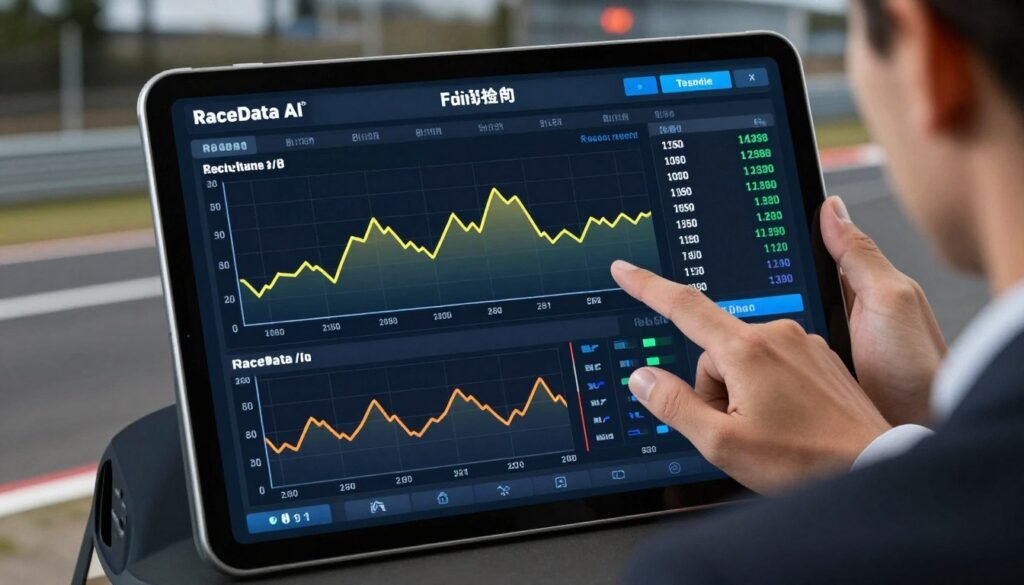
You can now offer professional-level insights using RaceData AI. This specialized software automatically emails detailed performance analytics to each customer immediately after their race ends.
These reports include sector times and throttle traces across various tracks. It gives sim racers tangible data to study, which transforms a standard experience into a professional training session.
Apex Racing Turkey significantly improved the racing experience for all its customers by using these tools. Visitors now stay longer at the facility to discuss the results of their latest race with staff.
Public leaderboard systems create a friendly rivalry within your facility. Seeing their name displayed on a screen enhances the total experience and gives every driver a clear goal to chase during their next visit.
Handing out printed performance summaries creates lasting experiences that people take home. These physical items often end up on office walls or social media as great conversation starters that promote your brand.
Providing the right experience builds deep emotional loyalty. When you treat every customer like a professional driver instead of just a visitor, you create a powerful identity that keeps them coming back.
Real-world examples prove that different business models can lead to high profits in the racing world. These centers show that success comes from more than just fast cars and flashing lights.
By studying these leaders, you can see how specific strategies work in various markets. Whether focusing on luxury or local fans, these owners have turned their passion into a sustainable career.
F1 Arcade has changed the sim industry by creating a high-end social venue. They combine premium rigs with curated food and drinks to attract everyone, not just hard-core racers.
Their recent $130 million funding round proves that racing is now mainstream entertainment. This model creates a unique experience where people come for the atmosphere and stay for the race.
Apex Racing Turkey focuses on technology to provide more value to every customer. In 2024, they integrated RaceData AI to help customers analyze their performance after each lap.
Drivers stayed longer to discuss their stats and telemetry with the on-site staff. This deeper experience helped build a loyal following that trusts the brand for professional growth.
This Belgian center prioritizes realism and top-tier hardware to attract serious drivers. By hosting regional competitions, they have become an essential part of the European racing scene.
They provide immense value by acting as a social hub for enthusiasts. This focus on a high-quality racing experience keeps their sim rigs busy throughout the entire year.
These diverse success stories demonstrate that profitability depends on your specific vision. You can build a luxury destination, a data-driven training lab, or a tight-knit community center.
| Center Name | Primary Strategy | Key Success Factor |
|---|---|---|
| F1 Arcade | Luxury Entertainment | $130M Funding & Full Service Dining |
| Apex Racing Turkey | Data-Driven Growth | AI Telemetry & Personalized Loyalty |
| SRC Merchtem | Hardware Excellence | Regional Events & Community Hub |
Turning your passion for virtual racing into a viable source of income is entirely possible today. A sim racing business thrives when you focus on community engagement and diverse revenue streams. This article proves that sim center owners succeed when they emphasize a premium racing experience.
Most sim racers look for a high-quality experience with professional simulators. By offering software like Assetto Corsa, you provide immense value to customers in your space. Your team can also use affiliate marketing with manufacturers to boost sales.
Providing access to top equipment on famous tracks keeps enthusiasts engaged. Building a brand through creating content or team building events adds another level to your niche. While it takes time, the skills and competition make this a rewarding way to grow.
This article highlights how content creators can stream content to the sim community as part of the racing industry. With realistic financial planning and sound business practices, you can turn a hobby into a sustainable asset. The road to success requires dedication, but the finish line is well worth the effort.
| Success Factor | Key Benefit | Revenue Type |
|---|---|---|
| Sim racing sessions | Core traffic | Direct income |
| Affiliate programs | Equipment sales | Passive revenue |
| Digital content | Brand awareness | Marketing value |