Physical Address
304 North Cardinal St.
Dorchester Center, MA 02124
Physical Address
304 North Cardinal St.
Dorchester Center, MA 02124

Explore the similarities and differences between sim racing and real-life driving in this informative listicle. Discover how the virtual world compares to the real thing.
Did you know top Formula 1 drivers spend over 40 hours a week in digital cockpits? This shows virtual worlds are more than just for fun. Experts say tech has made virtual and real racing closer.
The question of whether Is sim racing like real life? is big in the racing world. Some say nothing beats the real feel of racing. But others say the incredible precision of today’s software is just as good. It lets drivers practice safely and save money.
We’ll look into if these digital tools are good enough for pro racers. By checking out the tech and physics, we can see if they’re ready for the future.
Sim racing is more than a game. It’s a digital copy of real racing. It uses advanced physics engines to make cars act like they do in real life. This lets fans feel the rush of racing from home.
This hobby is all about digital driving. It uses math to figure out how cars move. It’s a powerful tool for fun and learning to drive better.
Some games stand out for serious racers. iRacing and rFactor are top choices. They help drivers learn tracks and improve their skills.
Sim racing has its limits. It can’t match the real feel of racing. The difference in virtual vs real racing is big.
Simulators can’t give the same feedback as a real car. Drivers in real cars feel the car’s movement and the road. Knowing these differences helps in training.
Modern digital racing platforms are very advanced. They are like real racing. To feel like you’re really racing, you need to understand the tech behind it.
These systems make your brain think you’re really driving. It’s like you’re in a real car.
Every racing game has a special engine. It calculates how the car moves in real time. The sim racing physics make everything feel real.
Precision is key to make the car feel right. It’s all about how the car moves.
A realistic driving simulation does lots of math fast. It looks at how the car moves and feels. This makes the game feel real for everyone.
Tires are very important in racing. Modern games track tire temperature and wear. Dynamic weather systems make the track slippery or dry.
When you drive fast, you feel the car slip. This makes racing more challenging. Knowing how tires work is important for racing.
Force feedback connects the game to your hands. It makes the steering wheel feel real. You can feel the road and the car’s weight.
Good hardware gives you important info. It helps you stay on track. This feedback makes racing feel real.
Many people wonder if skills from virtual racing help in real racing. The link between digital and real racing is built on practice. Drivers learn core skills that help them before they race for real.
The sim racing experience helps drivers in a special way. Simulators don’t have the same forces as real cars. Drivers must use their eyes and ears to judge speed and grip.
This makes their brains work better. When they race for real, they already know how to look around. Learning sim racing physics helps them understand how cars move. This is a big advantage for those who want to race for real.
Starting in a simulator can be hard because there’s so much to learn. New drivers often struggle to control the car. But, they can try again right away.
Being consistent is key for beginners. By practicing the same moves over and over, drivers get better. These small steps add up to big improvements in speed.
“Practice does not make perfect. Only perfect practice makes perfect.”
Pro drivers use simulators to get ready for races. They try out real techniques like trail braking. This helps them feel more comfortable in the car.
| Skill Area | Virtual Benefit | Real-World Application |
|---|---|---|
| Braking Points | Visual Marker Training | Consistent Entry Speed |
| Apex Timing | Geometric Precision | Optimal Exit Velocity |
| Car Control | Physics Feedback | Recovery from Slides |
The sim racing experience is more than just fun. It helps drivers think better. By learning about sim racing physics, drivers understand real racing better. Practice in the virtual world makes drivers better in real life.
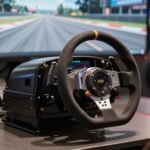
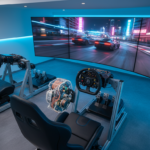
A authentic racing simulation needs good hardware. Software gives you the view, but your gear connects you to the race. The right stuff makes a game feel real.
The steering wheel is key. Direct-drive systems give you real road feel. You feel every bump and turn.
Pedals with load cell tech are also crucial. They feel like real brakes. This helps you brake smoothly.
A good cockpit is essential. It keeps your gear steady. This means better feedback and control.
Adding extras like a shifter or handbrake helps too. They make your actions feel real. This lets you focus on your racing.
Sim gear is getting closer to real controls. It uses materials like carbon fiber. While it can’t match real G-forces, the feel is very close.
| Hardware Component | Entry-Level | Professional-Grade |
|---|---|---|
| Steering Mechanism | Gear/Belt Driven | Direct Drive |
| Pedal System | Potentiometer | Load Cell/Hydraulic |
| Cockpit Build | Foldable Stand | Aluminum Profile |
| Feedback Precision | Basic | High Fidelity |
Upgrading your gear makes your racing feel real. It helps you drive better in real life. The right gear is key to track mastery.
Sim racing is as tough on the mind as it is on the body. Even though it’s virtual, the mental effort is real. Developing a sharp mind is as crucial as knowing the best time to brake.
Top drivers take their virtual races seriously. They do structured mental preparation like visualizing the track. They also think about what might happen with other cars.
Having a routine before racing helps them get into the zone faster. This routine is key to performing well under pressure.
Online racing brings its own kind of stress. It’s like real racing, but online. The adrenaline response is real when you’re racing hard.
Drivers need to stay calm, even when things go wrong. This calmness helps them make better choices. It’s a skill that helps in many areas of life.
Staying focused for a long time is hard. Sim racing needs unwavering focus to avoid mistakes. The brain must keep up with lots of information.
This focus makes distractions disappear. Whether in a simulator or a real car, drivers get very focused. This is why pros use sim racing to improve their minds.
Virtual cars make real connections on the track. Many find the sim racing experience more than just fast laps. It’s a place where people worldwide share their love for racing.
Leagues are key for competitive virtual racing. Sites like iRacing teach drivers about patience and clean racing. They make sure everyone follows the rules.
Joining a league means you get to race in events like real races. It helps drivers be consistent and disciplined. It turns a solo hobby into a team effort.
Wheel-to-wheel racing creates lasting friendships. Racing the same people every week helps you know their driving. This builds a special bond.
Competition also creates rivalries. These rivalries make drivers better. Whether for a championship or just a good finish, it’s deeply personal.
The community is all about helping each other. Experienced drivers share tips and data to help newcomers. This sharing is key to the sim racing experience.
Forums, Discord, and social media are full of advice. They help you learn from others and improve fast. The table below shows how community helps you grow.
| Interaction Type | Primary Benefit | Skill Level |
|---|---|---|
| League Racing | Race Craft & Discipline | Intermediate |
| Telemetry Sharing | Data Analysis | Advanced |
| Discord Mentorship | Technical Setup | Beginner |
| Practice Sessions | Consistency | All Levels |
Ever dreamed of racing professionally? The money needed to start is a big hurdle. But, virtual racing offers a cost-effective gateway for those who love speed.
Real racing costs a lot for cars, safety gear, and track fees. A weekend of club racing can cost thousands. But, a top sim racing setup is a one-time investment that lasts for years.
Building a good virtual rig costs less than a set of racing tires. This big difference in cost makes digital racing better for those on a budget. You can race every day without the ongoing costs of real racing.
Real race cars need constant care and expensive parts. Engines need rebuilds, and fuel costs add up fast. These ongoing maintenance costs limit how often amateur drivers can race.
Sim racing gear needs little care, just cleaning and updates. You don’t have to worry about oil changes or engine failures. This lets you focus on honing your driving skills without the hassle of a garage.
The digital world has made racing more accessible. Sim racing lets you race without a physical garage or crew. Anyone with a computer and a steering wheel can race against the best from around the world.
This makes talent, not money, the key to success. You can join leagues and events from home. It’s an inclusive environment where everyone can start.
Modern tech has changed how drivers get ready for racing. Now, digital platforms are key for training. They use an authentic racing simulation to practice in a safe, real-like setting.
Top racing teams use advanced simulators for training. These tools let drivers practice in static conditions. This means no worries about changing weather or wind.
Drivers can focus on perfecting their racing lines. This authentic racing simulation helps them improve their skills, not just luck.
Amateurs get a lot from these tools. They can practice tricky turns without risking real damage. You can try a turn many times until you get it right.
This practice builds confidence. It lets you try different braking points safely. With an authentic racing simulation, you’ll see your skills get better with each try.
Modern software is great at tracking data. Drivers can see how they use the gas and brakes. This helps them find where they can go faster.
By comparing your data to a pro’s, you can spot your weak spots. This authentic racing simulation way turns guesses into facts. It helps you find a clear path to faster times.
| Training Metric | Traditional Practice | Simulated Training |
|---|---|---|
| Cost per Lap | High | Low |
| Data Availability | Limited | Comprehensive |
| Safety Risk | High | Zero |
| Variable Control | Poor | Excellent |
Virtual racing lets you test your limits safely. It’s thrilling but real dangers exist in real racing. By focusing on sim racing accuracy, you can enjoy the excitement safely.
Drivers face many dangers on real tracks. Crashes, mechanical failures, and bad track conditions can hurt a lot. Even with safety gear, racing fast is always risky.
“Racing is a dangerous sport, but it is the pursuit of perfection that drives us to overcome those fears.”
The digital world lets you race without fear of injury. You can try risky moves without worry. This helps you get better and more confident.
Drivers practice different racing styles and braking in virtual racing. Mastering these techniques helps them when racing for real. It’s a safe way to build muscle memory.
While virtual racing is safe, it has its own challenges. Long gaming sessions can cause physical strain if your setup is bad. Bad posture or wrong wheel height can hurt your back and cause injuries.
To stay good at sim racing accuracy, get a good seat and monitor. Take breaks to keep your body and mind sharp. This way, racing can stay a fun hobby for a long time.
We are on the edge of a big change in virtual motorsports. New tech is making racing at home feel real. This makes every race feel more real than before.
Virtual reality has changed the game. It makes things feel real and big. Future headsets will be clearer and wider, making everything feel more real.
These headsets will also feel like the road and engine. This makes racing feel more real. They will be lighter and more comfy, making long races easier.
Artificial intelligence is changing racing. It learns from how we drive, making races more real. This makes racing more fun and challenging.
AI will also help us get better at racing. It gives tips on how to drive better. You can learn more about this by checking out the future of sim racing.
We will see more real racing data in games soon. Games will feel more real, thanks to better tech. This will make racing feel like the real thing.
More people will get to enjoy racing soon. It will be more affordable. We’re heading towards a world where racing feels just as real as the real thing.
Professional racing teams and software developers are teaming up. They are making the gap between virtual vs real racing smaller. This gives fans a real experience that feels like the real thing.
Big car makers and racing teams share secret data with developers. They give them CAD data and telemetry. This lets developers make digital cars that act just like the real ones. This level of cooperation is unprecedented in gaming.
Formula 1 and NASCAR drivers use simulators a lot. They practice for races and learn tracks. Professional drivers rely on these systems to stay sharp when they can’t race for real.
Drivers’ feedback is super helpful for developers. If a driver says a car feels “too loose,” developers tweak it. This makes virtual racing realism better for all of us.
Real racing events shape what we see in sim games. When a new track is added, developers quickly make a digital version. This keeps the virtual vs real racing experience the same everywhere.
The impact of real racing has changed sim software. It’s now a real training tool. Whether you love racing or just enjoy it, you’re getting better because of the deep technical expertise of top racing teams.
Modern tech makes us feel like we’re right on the track. You might ask, is sim racing like real life? Even though you don’t feel the G-forces at home, the challenge is just as tough.
Sim racing is a great way to train. It helps drivers get faster and learn tricky tracks. This practice is key for anyone ready to race in real life.
The digital world is a safe place to test your limits. You learn a lot about cars and racing without spending a lot of money. This makes top-level racing more accessible to everyone.
To really get good, mix both worlds. Practice in a top-notch simulator, then race for real. This way, you get the best of both worlds and become a top driver.