Physical Address
304 North Cardinal St.
Dorchester Center, MA 02124
Physical Address
304 North Cardinal St.
Dorchester Center, MA 02124

Discover if Max Verstappen, the F1 champion, actually participates in iRacing. Our listicle explores his experiences with the popular racing simulation.
Did you know that the reigning Formula 1 champion spends nearly as much time in a digital cockpit as he does on real-world tracks? While most professional athletes unwind with traditional hobbies, this elite driver pushes his limits through intense virtual competition. Many fans often ask: Does Max Verstappen do iRacing? The answer is a resounding yes, as he treats these simulations with the same professional intensity found in a Grand Prix paddock.
His dedication to the platform has become legendary within the sim-racing community. It is not just a game for him; it is a vital tool for maintaining his razor-sharp reflexes and tactical awareness. By balancing high-stakes virtual events with his demanding career, he proves that the line between reality and simulation is thinner than ever before.
If you have ever asked, does Max Verstappen do iRacing?, the answer is a resounding yes. The Formula 1 champion is a frequent presence on the platform, often seen competing against top-tier virtual drivers during his downtime.
Max Verstappen’s passion for gaming is not a recent development. His interest began during his youth, evolving from casual play into a highly professionalized pursuit over the years.
He views digital racing as more than just a hobby. It serves as a vital extension of his life on the track, allowing him to maintain his competitive edge even when he is away from the physical cockpit.
When it comes to Max Verstappen iRacing participation, he does not treat it like a simple video game. He brings the same level of intensity to his virtual sessions that he displays on the F1 grid.
He approaches every virtual event as a serious athletic endeavor. This mindset ensures that he remains sharp, focused, and ready for the challenges of real-world racing.
| Feature | Real-World Racing | Virtual Sim Racing |
|---|---|---|
| Preparation | Physical Training | Data Analysis |
| Environment | F1 Circuit | iRacing Platform |
| Intensity | High | High |
| Goal | Championship | Skill Mastery |
Beyond the roar of real engines, Max Verstappen finds a unique competitive edge in the world of virtual racing. This digital pursuit is far more than a pastime; it serves as a vital training ground that keeps his reflexes sharp during the off-season. By engaging in Max Verstappen virtual racing, he maintains a high level of focus that translates directly to his performance on the track.
The technical demands of modern motorsport require constant practice to stay ahead of the competition. Verstappen notes that while the virtual environment cannot replicate the physical G-forces of a real Formula 1 car, it captures nearly 95 percent of the necessary technical requirements. This allows him to refine his race craft and experiment with different strategies in a controlled, digital space.
“Sim racing is the closest thing to real racing, and it helps me stay sharp when I am not in the car.”
The synergy between these two worlds is evident in his recent professional endeavors. For instance, he participated in the Michelin 240 at Daytona as a Michelin Wild Card with Verstappen.com Racing, where he finished 12th. This experience proves that Max Verstappen virtual racing is a serious commitment that bridges the gap between simulation and reality.
By treating his virtual sessions with the same intensity as a Grand Prix weekend, he ensures that his mental preparation remains at an elite level. This dedication to continuous improvement is what sets him apart from his peers. Whether he is on a physical circuit or a digital one, his goal remains the same: to push the limits of speed and precision.
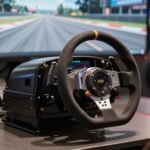
Building a world-class simulator requires precision, a philosophy Max Verstappen applies to his Max Verstappen sim racing activities. He does not simply buy a pre-made kit; instead, he has curated his hardware over time by seeking advice from experienced drivers. This meticulous approach ensures that every piece of gear serves a specific purpose in his training regimen.
The steering wheel and pedal set form the core of his interaction with the virtual track. Verstappen prioritizes gear that offers high-fidelity force feedback, allowing him to feel the subtle grip levels of the tires. He pays special attention to brake pedal pressure, which mimics the heavy, stiff feel of a real Formula 1 car.
This level of detail is crucial for muscle memory. By replicating the exact resistance he faces on the track, he can maintain his competitive edge even when he is away from the circuit.
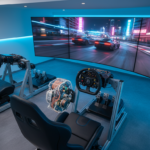
Beyond the controls, the physical cockpit setup is designed to mirror the ergonomics of a real racing vehicle. This professional-grade environment provides the stability needed for long practice sessions. It is so effective that he has even used his rig to monitor his physical recovery after real-world injuries.
The following table highlights the differences between standard consumer setups and the professional-grade equipment favored for high-level Max Verstappen sim racing activities:
| Feature | Standard Setup | Professional Setup |
|---|---|---|
| Force Feedback | Basic vibration | High-torque precision |
| Brake Feel | Soft/Spring-based | Load cell/Hydraulic |
| Ergonomics | Adjustable chair | Custom-molded cockpit |
| Data Accuracy | General simulation | Real-time telemetry |
Max Verstappen’s influence extends far beyond the physical asphalt of Formula 1 circuits. He frequently uses virtual platforms to connect with fans in a way that feels personal and authentic. This Max Verstappen iRacing participation has transformed how supporters view their favorite athletes.
During busy race weekends, such as the Hungarian Grand Prix, fans often find the world champion competing in high-stakes virtual events. He famously joined Team Redline for the 24 Hours of Spa, showcasing his unwavering dedication to the craft. These sessions are often streamed live, allowing thousands of viewers to watch him navigate complex virtual tracks in real-time.
This level of accessibility is rare for an elite athlete. By engaging directly with the chat and sharing his screen, he breaks down the barriers between a global superstar and his audience. Such Max Verstappen iRacing participation makes the high-pressure world of professional racing feel much more relatable to the average enthusiast.
The presence of a Formula 1 champion in virtual endurance races provides a massive boost to the entire esports ecosystem. It validates the skill required to compete at the highest levels of sim racing. Many young drivers now see this as a legitimate path to honing their craft, thanks to the visibility he brings.
His involvement encourages more professional drivers to explore the digital space. This Max Verstappen iRacing participation continues to bridge the gap between traditional motorsport and the rapidly growing world of competitive gaming. Ultimately, he is helping to build a vibrant community where virtual and real-world racing can thrive side by side.
The landscape of professional racing is shifting as virtual platforms gain massive influence. Today, the Max Verstappen e-sports involvement serves as a prime example of how top-tier athletes bridge the gap between digital and physical circuits. This evolution has fundamentally changed how teams approach race weekends and driver development.
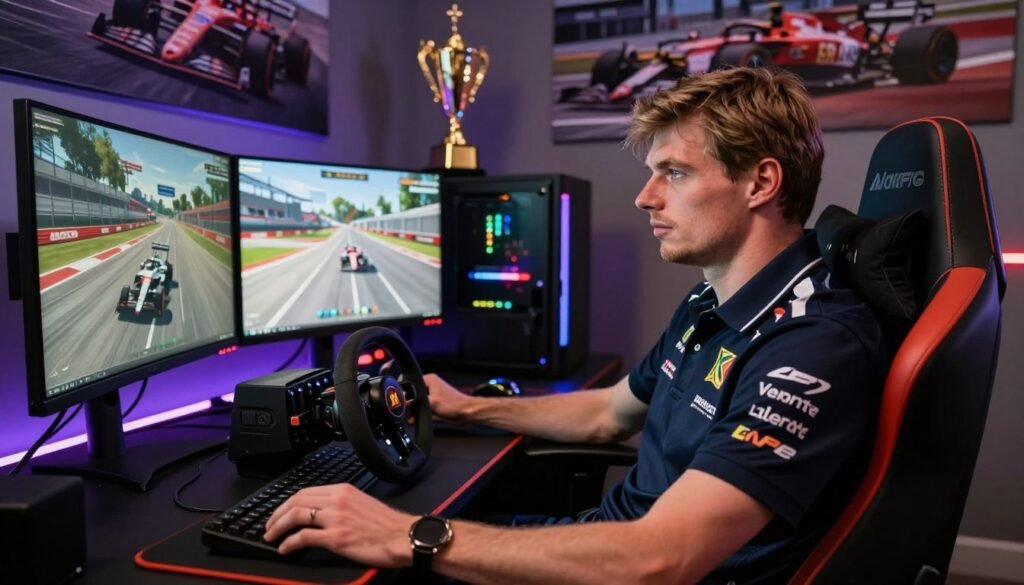
Many professional drivers now utilize simulation software as an essential tool for data analysis. By running thousands of virtual laps, they can test various car setups before ever stepping into the real cockpit. This proactive approach allows teams to gather critical information that saves time during actual practice sessions.
The ability to replicate track conditions with high precision is a game-changer. Drivers can experiment with different braking points and racing lines in a risk-free environment. This level of preparation has become a standard expectation for those competing at the highest levels of motorsport.
Sim racing has evolved from a casual pastime into a legitimate sport of its own. Manufacturers and F1 teams are now investing heavily in virtual programs to scout talent and refine vehicle performance. This professionalization has elevated the status of digital racing within the broader automotive industry.
The competitive nature of these platforms keeps drivers sharp during the off-season. Because of the high level of realism, the skills learned in the virtual world translate directly to the track. It is clear that the Max Verstappen e-sports involvement has helped pave the way for a new generation of racers who value digital training as much as traditional methods.
For a world champion, the line between real-world racing and the digital track often blurs into a singular pursuit of excellence. While many athletes seek downtime away from the circuit, Max Verstappen virtual racing sessions serve as a core component of his professional life. This unique lifestyle requires immense discipline to ensure that his performance on the track never suffers.
Managing a demanding Formula 1 schedule alongside professional sim racing requires a high level of precision. Verstappen treats his digital practice with the same seriousness as his real-world obligations. For instance, he famously dedicated 35 hours to preparing for the virtual Nurburgring 24-hour race during the 2023 Imola race weekend.
This level of commitment shows that he does not view gaming as a casual hobby. Instead, he integrates Max Verstappen virtual racing into his weekly routine to maintain his competitive edge. By carefully structuring his hours, he ensures that his physical recovery and team duties remain the top priority.
Beyond the technical skills, sim racing acts as a vital tool for mental conditioning. Engaging in high-pressure virtual environments keeps his reflexes sharp and his decision-making process fluid. This constant state of readiness allows him to transition seamlessly between the simulator and the cockpit of his F1 car.
The following table highlights the differences in his preparation strategies for both racing environments:
| Preparation Aspect | Formula 1 Racing | Virtual Racing |
|---|---|---|
| Primary Focus | Physical G-force endurance | Reflex and reaction speed |
| Training Duration | Structured team sessions | Flexible, high-intensity blocks |
| Mental Goal | Strategic race management | Maintaining competitive instincts |
| Environment | Physical racetrack | Digital simulation |
Ultimately, Max Verstappen virtual racing provides a unique mental sanctuary that keeps his passion for motorsport alive. By balancing these two worlds, he ensures that he remains at the top of his game regardless of the medium. This dedication is a testament to his relentless drive to win.
To understand the depth of Max Verstappen sim racing activities, one must look at the specific circuits he frequents during his downtime. His choices are rarely about casual fun; instead, they are deeply rooted in the high-stakes environment of endurance championships.
By competing alongside Team Redline, he often gravitates toward tracks that demand absolute focus and technical precision. These venues serve as the perfect training ground for a driver who refuses to settle for anything less than perfection.
Verstappen frequently tests his limits on circuits known for their unforgiving nature. He finds great value in mastering tracks that punish even the smallest mistakes, which helps sharpen his real-world reflexes.
When planning his Max Verstappen sim racing activities, the approach is highly analytical. He does not simply pick a track; he evaluates the specific requirements of upcoming endurance events to ensure he is fully prepared.
His strategy involves a deep dive into several critical performance factors:
By focusing on these variables, he ensures that his virtual practice translates into tangible performance gains. This methodical process highlights why he remains a dominant force both on the physical track and in the digital realm.
Beyond the roar of real-world engines, Verstappen has carved out a legendary status in the digital racing arena. His ability to adapt to the nuances of simulation software is nothing short of extraordinary. By treating virtual events with the same intensity as a Grand Prix, he has solidified his reputation as a force to be reckoned with in the esports world.
One of the most notable highlights of his digital career occurred during the 2021 iRacing Bathurst 12HR. Competing alongside Enzo Bonito for Team Redline, Verstappen put on a masterclass of endurance and speed. The duo completed 344 laps, leading the pack for all but 12 of them, which effectively crushed the competition.
This victory was not a fluke but a clear indicator of his consistent dominance. He approaches these races with a level of preparation that few others can match. His high ranking on the platform reflects this dedication, proving that his skills translate perfectly from the asphalt to the digital screen.
“Sim racing is a great way to keep your competitive edge sharp, even when you are away from the real track.”
When comparing Verstappen to other professional drivers in the sim racing community, his technical proficiency stands out. While many drivers use simulators for casual practice, he treats them as a serious competitive outlet. He does not just participate; he consistently challenges for podiums against the best virtual racers in the world.
His peers often remark on his ability to find speed in corners where others struggle. This unique talent allows him to maintain a competitive advantage, regardless of the vehicle or track conditions. Ultimately, his presence in the virtual field elevates the standard for everyone involved, pushing the entire community to reach new heights.
Max Verstappen’s influence extends far beyond the physical racetrack into the digital realm. His Max Verstappen e-sports involvement has transformed how professional drivers interact with the gaming industry. By taking a hands-on approach, he ensures that virtual racing receives the same level of dedication as his Formula 1 career.
As a majority owner of Team Redline, Verstappen works closely with developers to refine the simulation experience. This partnership allows him to provide direct feedback on physics, tire models, and track accuracy. These technical insights help developers create more realistic environments for both casual players and professional competitors.
His leadership within the team fosters a culture of excellence that attracts top-tier talent. By bridging the gap between real-world racing data and virtual software, he helps push the boundaries of what is possible in digital motorsports. This level of Max Verstappen e-sports involvement is a key driver for innovation in the gaming sector.
Beyond technical development, Verstappen leverages his global platform to promote the growth of sim racing. He frequently collaborates on exclusive merchandise lines that celebrate the intersection of F1 and virtual competition. These initiatives bring significant visibility to the esports community, attracting new fans and sponsors alike.
The following table highlights the diverse roles he plays in the racing ecosystem:
| Role | Primary Focus | Impact Level |
|---|---|---|
| Formula 1 Driver | Real-world performance | High |
| Team Redline Owner | Esports strategy | High |
| Brand Ambassador | Global visibility | Medium |
Through these strategic efforts, he continues to elevate the profile of virtual racing. His Max Verstappen e-sports involvement ensures that the industry remains a vital part of the modern sports landscape. Fans can expect even more integration between his racing brand and digital platforms in the coming years.
The digital track remains a vital space for the Red Bull Racing star as he looks toward the horizon. Max Verstappen e-sports involvement continues to evolve beyond personal competition into a platform for mentorship and growth.
New projects are currently in development to bridge the gap between virtual simulation and real-world racing. He plans to create a clear pathway for talented sim racers to showcase their abilities on a global stage.
This commitment to talent identification will likely change how teams scout future drivers. By using his vast experience, he aims to provide the next generation with the tools needed to succeed in professional motorsports. The impact of Max Verstappen e-sports involvement will be felt for years as he turns his passion into a legacy for aspiring racers everywhere.
What do you think about the shift from virtual to real-world racing? Share your thoughts on how digital platforms might shape the next generation of Formula 1 stars.